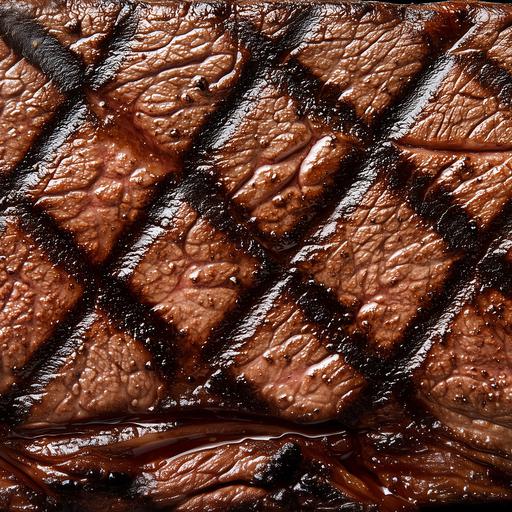
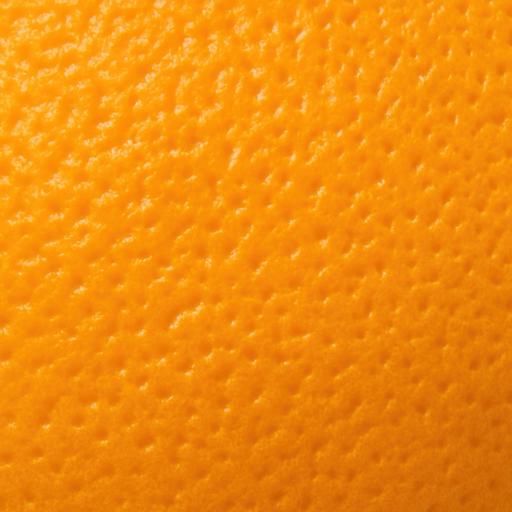
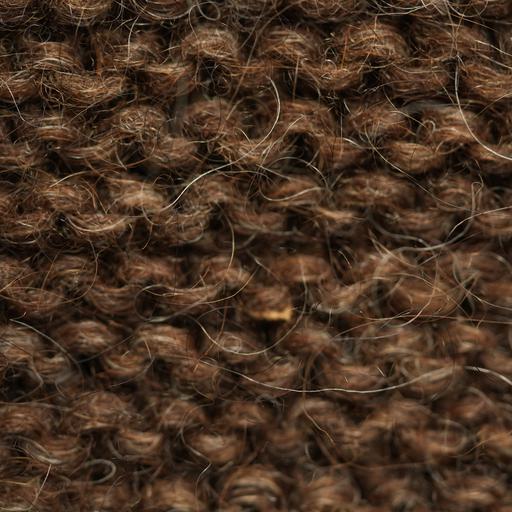
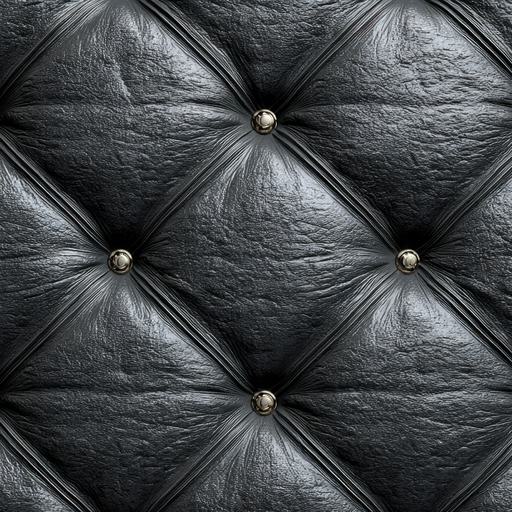
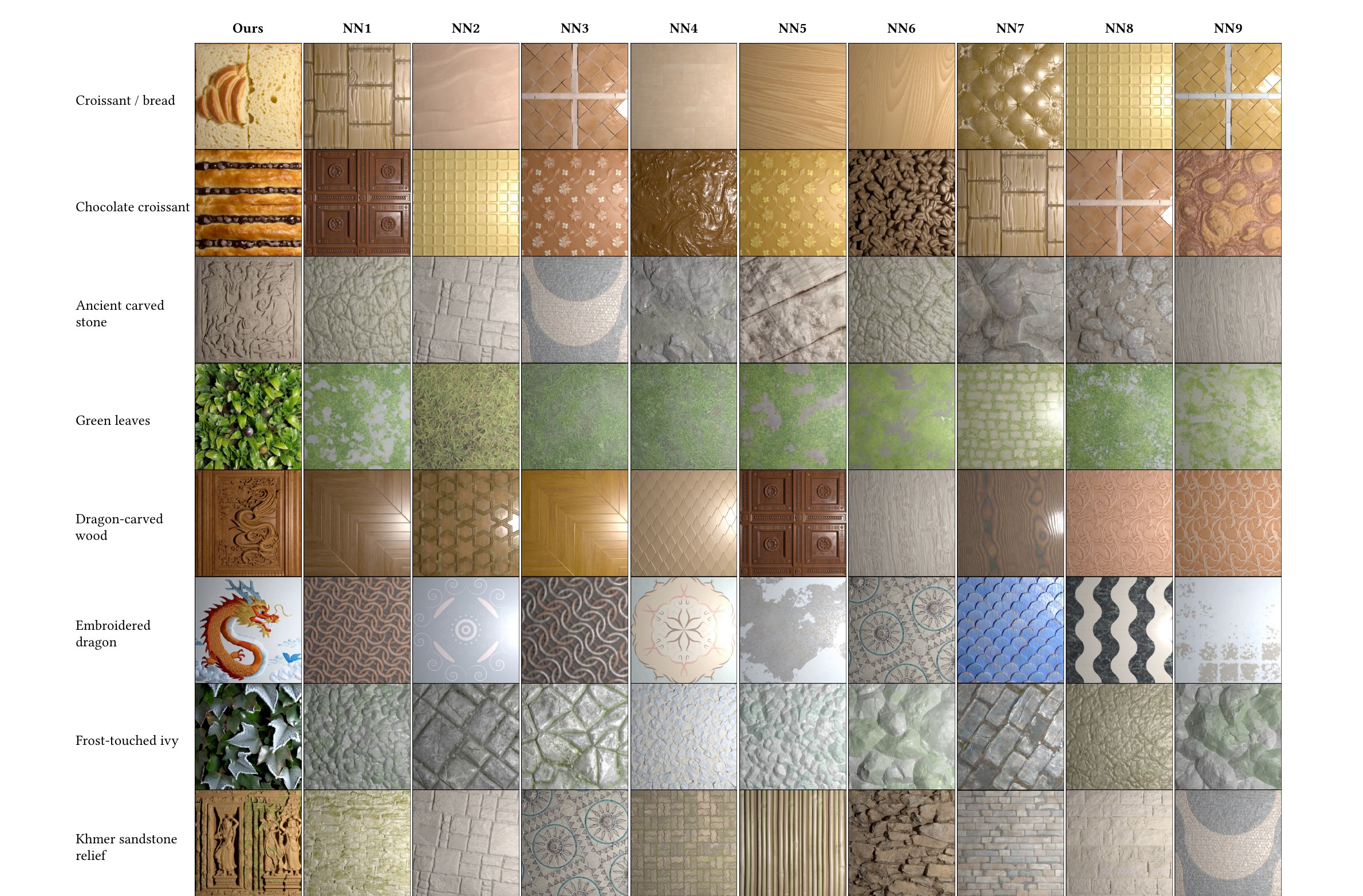
Creating photorealistic materials for 3D rendering requires exceptional artistic skill.
Generative models for materials could help, but are currently limited by the lack of
high-quality training data. While recent video generative models effortlessly produce
realistic material appearances, this knowledge remains entangled with geometry and lighting.
We present VideoNeuMat, a two-stage pipeline that extracts
reusable neural material assets from video diffusion models. First, we finetune a large
video model to generate material sample videos under controlled camera and lighting
trajectories, effectively creating a virtual gonioreflectometer that preserves the
model's material realism while learning a structured measurement pattern.
Second, we reconstruct compact neural materials from these videos through a Large
Reconstruction Model. From generated video frames, our model predicts neural material
parameters that generalize to novel viewing and lighting conditions.